

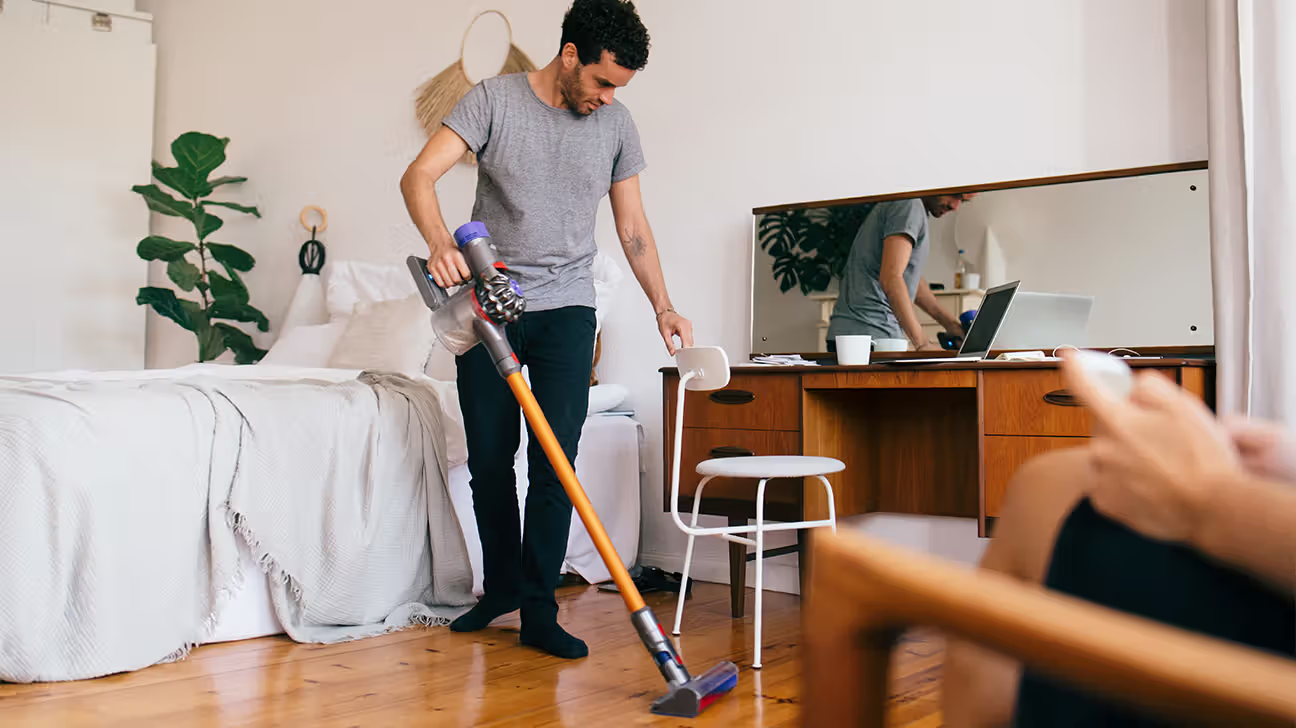
A cluttered home can quietly affect your daily routine, focus, and peace of mind. When rooms begin to feel crowded or disorganized, even simple tasks can become frustrating. A thoughtful home clean out helps restore order while creating a more comfortable and functional living environment. Instead of aiming for perfection, the goal is to remove unnecessary items and make your space easier to enjoy. With a practical approach and clear decisions, you can transform overcrowded areas into spaces that feel lighter, calmer, and more useful for everyday living.
Why a Home Clean Out Can Improve Daily Life
A home clean out is more than removing unwanted belongings from shelves and storage spaces. It creates a healthier environment by reducing visual stress and making your home easier to manage. Many people feel mentally overwhelmed when surrounded by clutter because disorganization can affect focus and productivity. Clearing unused items helps improve movement within the home while also making cleaning simpler and faster. A clean and organized environment often encourages better routines, improved relaxation, and a stronger sense of comfort. Even small changes can make your home feel more open, functional, and welcoming each day.
How to Start a Simple Home Clean Out
Beginning a clean out project becomes easier when you focus on one manageable space at a time. Instead of attempting to organize the entire home in a single day, start with a room, closet, or storage area that creates the most stress. Prepare a clear plan before sorting through belongings so the process feels less overwhelming. Separating items into categories helps speed up decisions and keeps the area organized while you work. Starting with visible clutter creates quick progress and motivation. Small accomplishments during the process often build momentum and make larger clean out projects feel more achievable.
Focus on One Area First
Starting with a smaller section allows you to make steady progress without feeling exhausted. A crowded kitchen drawer, hallway closet, or bathroom cabinet can be completed in a short amount of time while still creating noticeable improvement. Finishing one area successfully builds confidence and helps establish a realistic pace. Smaller projects also reduce the temptation to leave unfinished piles around the house.
Create a Simple Sorting System
A practical sorting method helps keep the clean out organized from beginning to end. Grouping belongings into categories such as keep, donate, recycle, or discard makes decisions faster and more efficient. The goal is to avoid moving clutter from one location to another without making meaningful choices. Keeping the process simple prevents unnecessary delays and confusion during sorting.
Making Smart Decisions During the Decluttering Process
One of the most difficult parts of a home clean out is deciding what truly deserves space in your home. Many items remain stored away because of guilt, emotional attachment, or the belief they may become useful someday. Instead of focusing on the past, think about how each item fits into your current lifestyle and daily needs. Practical decision-making helps reduce unnecessary clutter while preserving meaningful belongings. When evaluating an object, consider whether it still serves a clear purpose or adds genuine value to your space. Honest decisions create a cleaner environment that supports comfort, simplicity, and functionality.
Let Go of Unused Household Items
Unused belongings often occupy valuable storage areas without providing any practical benefit. Old electronics, broken furniture, expired products, and duplicate kitchen tools commonly collect dust for years. Removing these items immediately creates more usable room and reduces unnecessary clutter. Letting go of objects that no longer serve a purpose helps simplify your home while making storage spaces easier to maintain.
Handle Sentimental Belongings Carefully
Sentimental items require a thoughtful approach because they often carry emotional memories and personal meaning. Instead of keeping every object connected to the past, focus on preserving the most meaningful pieces. Taking photos of certain items can help maintain memories without requiring physical storage space. Keeping selected keepsakes allows you to honor important experiences without overcrowding your living environment.
Room-by-Room Strategies for an Easier Clean Out
Every room in the home collects clutter differently, which means each space may require a unique approach during the clean out process. Kitchens often contain duplicate utensils and expired pantry items, while bedrooms may collect unused clothing and unnecessary furniture. Garages and basements frequently become storage zones for forgotten belongings that are rarely touched. Focusing on the specific function of each room helps guide better organization decisions. Instead of trying to create a perfectly minimal home, aim to make every space practical and comfortable for daily use. Functional organization supports long-term cleanliness and reduces future clutter buildup.
Decluttering Bedrooms and Living Areas
Bedrooms and living rooms should feel relaxing and easy to navigate throughout the day. Removing unused décor, unnecessary furniture, and overcrowded storage helps create a calmer atmosphere. Clothing that no longer fits or items rarely used can quickly take over valuable space. Simplifying these areas often improves comfort while making regular cleaning routines much easier to maintain over time.
Cleaning Out Garages and Storage Spaces
Garages, attics, and storage rooms often become crowded with forgotten boxes and unused equipment. Sorting through these areas carefully helps uncover items that no longer need to remain in the home. Seasonal decorations, broken tools, and outdated supplies frequently consume unnecessary space. Organizing these storage areas creates better accessibility while preventing clutter from spreading into other rooms.
How to Maintain a Clutter-Free Home Afterward
Completing a home clean out is only the beginning of maintaining a more organized living space. Without consistent habits, clutter can slowly return and recreate the same frustrations over time. Developing simple routines helps protect the progress made during the clean out process. Regularly reviewing closets, shelves, and storage areas prevents unnecessary accumulation from becoming overwhelming again. Bringing fewer unnecessary items into the home also supports long-term organization. Maintaining a clutter-free environment does not require perfection. Small daily habits and mindful purchasing decisions are often enough to keep your home feeling clean, open, and manageable throughout the year.
Build Simple Organization Habits
Simple routines help maintain order without requiring large cleaning sessions every week. Returning items to their proper place after use prevents clutter from building up across surfaces and storage areas. Regularly reviewing household belongings also helps identify unnecessary items before they accumulate. Consistent habits make organization feel easier and reduce the stress associated with larger clean out projects later.
Avoid Bringing in Unnecessary Items
One of the easiest ways to maintain a cleaner home is to become more intentional about new purchases. Impulse buying and unnecessary duplicates can quickly recreate clutter in organized spaces. Before bringing something home, consider whether it serves a practical purpose or simply adds temporary convenience. Mindful purchasing habits help preserve space and support long-term organization.
Frequently Asked Questions
How long does a home clean out usually take?
The amount of time depends on the size of the area and the number of belongings involved. A small closet may only require an hour, while a garage or full-house clean out could take several days. Working in smaller sections often makes the process more manageable and prevents burnout during larger projects.
Should I clean or declutter first?
Decluttering should happen before deep cleaning because removing unnecessary items creates more accessible surfaces and storage areas. Once clutter is reduced, cleaning becomes faster and more effective. Organizing after decluttering also helps create better long-term systems since you are only arranging items that genuinely belong in the space.
What should I do with items I no longer need?
Belongings that remain in good condition can often be donated, recycled, or sold depending on their value and usefulness. Broken or unsafe items should be discarded responsibly. Quickly removing unwanted belongings from the home prevents them from becoming clutter again and helps complete the clean out process more efficiently.
Conclusion
Reclaiming your space with a simple home clean out can create meaningful improvements in both your home and your daily routine. By removing unnecessary clutter and organizing your surroundings with intention, you create a space that feels calmer, more functional, and easier to maintain. Small changes often produce lasting results when combined with practical habits and thoughtful decision-making. A cleaner home supports better focus, comfort, and peace of mind while making everyday life feel more manageable and enjoyable.