

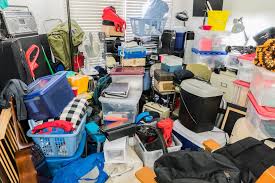
A home clean out Services is rarely just “throw it all in a truck.” There is a process behind it, and knowing the steps helps you set expectations and avoid surprises on the invoice. This guide breaks down each stage of professional home clean out services so you know what a crew actually does once they arrive.
What Is a Home Clean Out, Exactly?
A clean out is the full removal of unwanted items from a property, room by room or in one pass. It covers everything from old furniture to scattered debris. Unlike a single junk pickup, home clean out services usually involve sorting, hauling, and disposing of items across an entire house or unit.
Step 1: The Initial Walkthrough and Quote
A crew member walks through the property first, noting volume, item type, and access points like stairs or narrow hallways. This walkthrough sets the quote and timeline. Properties with heavy items or limited parking usually take longer, so this step matters more than people expect.
Most companies offering home clean out services give a written estimate before work starts. Ask what is included, since some quotes cover labor only and bill disposal fees separately.
Step 2: Sorting Items Into Keep, Donate, and Trash
Once the scope is set, the team sorts items into categories. Usable furniture and appliances often go to donation centers instead of the landfill. Broken or damaged items get separated for disposal. This step keeps costs down and reduces what ends up in a dumpster.
Furniture Removal Tips for Bulky Items
Couches, mattresses, and dressers need disassembly in tight spaces. A few furniture removal tips worth knowing: measure doorways before the crew arrives, remove cushions separately to cut weight, and flag anything with sentimental value early so it does not get bagged by mistake.
Step 3: Handling Specialty Items
Not everything goes out the front door the same way. Some items need extra hands, tools, or permits depending on local rules.
How to Remove a Hot Tub Safely
Hot tub removal involves draining water, disconnecting electrical lines, and cutting the unit into sections if it cannot fit through a gate. Anyone wondering how to remove a hot tub on their own should know the shell alone can weigh several hundred pounds once waterlogged, which is why most homeowners call a crew instead.
Garage Clean Out Ideas for Tools and Equipment
Garages collect years of tools, paint cans, and scrap metal. Good garage clean out ideas start with separating hazardous materials like old paint or motor oil, since these cannot go in a standard load and need separate drop off.
Basement Clean Out Checklist for Damp or Cluttered Spaces
Basements often hide moisture damage under stored boxes. A basement clean out checklist should include checking for mold before bagging items, sorting paper goods that may have gotten wet, and confirming whether any stored chemicals need special handling.
Step 4: Hoarder Clean Up Situations Need a Different Approach
Hoarder clean up help looks different from a standard job. Crews move slower, check for valuables mixed into piles, and often work in stages over several visits rather than one day. Respect for the homeowner matters here, since these jobs carry emotional weight beyond the physical work.
Teams trained in hoarder clean up help also watch for safety hazards like blocked exits, pest activity, or structural strain from stacked items before removal begins.
Step 5: Estate and Foreclosure Clean Outs Follow Their Own Rules
These jobs involve more than hauling. They often require documentation, family coordination, or compliance with bank timelines.
Estate Cleanout Guide for Families
An estate cleanout guide usually starts with separating items the family wants to keep, then identifying anything with resale value before the rest is donated or discarded. Working room by room with a checklist prevents items from getting overlooked or removed by mistake.
The Foreclosure Trash Out Process
The foreclosure trash out process clears a property quickly to meet bank or realtor deadlines. Crews remove abandoned belongings, debris, and sometimes damaged fixtures, then document the property with photos for the lender’s records.
Step 6: Construction Debris Gets Sorted Differently
Renovation leftovers like drywall, lumber, and tile cannot mix with household trash in most areas. A construction debris removal guide will usually separate materials by type, since concrete, wood, and metal often go to different recycling or disposal facilities.
Step 7: Fire and Water Damage Cleanup Adds Extra Steps
Damaged properties need extra caution before items leave the building. Fire and water damage cleanup tips include checking for structural safety first, separating salvageable belongings from contaminated ones, and bagging items with smoke or mold exposure to prevent further spread.
These jobs often involve coordination with insurance adjusters, so crews may photograph items before removal for claims documentation.
What Determines the Final Price?
Several factors shape the bill, and a junk removal cost guide usually breaks them into a few categories.
- Total volume of items removed
- Labor required for stairs, disassembly, or heavy lifting
- Disposal fees for specialty items like tires, electronics, or hazardous materials
- Distance to the nearest disposal or donation facility
Getting a written quote upfront avoids confusion once the job is done.
Final Walkthrough and Disposal
After loading, the crew does a final sweep of the property to check for missed items and sweep up debris. Items are then sorted for donation, recycling, or landfill disposal based on local regulations. A reputable provider of home clean out services will explain where items ended up if asked.
Frequently Asked Questions
How long does a home clean out take? Most single rooms take one to two hours. Full house clean outs can take a full day or longer depending on volume and access.
Do I need to be present during the clean out? Not always, but it helps for sorting decisions, especially for estate or hoarder clean up help situations where item value needs confirmation.
What items can’t be removed by a junk crew? Hazardous materials like paint, chemicals, and certain electronics often need separate drop off points due to local disposal rules.
Knowing what to expect from home clean out services makes the whole process less stressful, whether you are clearing a single garage or handling a full estate cleanout. Reach out to a local crew for a walkthrough and quote before your next clean out so you can plan the timeline and budget with confidence.